Seminar III: Media & Culture generated wide-ranging reflection on media, racialization, and reality-making. The figure of the African and the Muslim, separately and overlapping, have gained renewed use-value in sustaining structural racism—for example, with Clinton's "super predator," the unprecedented growth of the carceral state, Obama's birth certificate and accusations that he was Muslim, Trump's Muslim Ban, and an endless War on Terror at a cost of $8 trillion so far. Furthermore, in our current moment, with war crimes in Sudan and genocide in Palestine, the reality-making and reality-inverting roles of the media have perhaps never been as pressing. Our focus on media culture speaks to the urgency of our political moment and to the long and global histories that illuminate dynamics that define the present.
Seminar III: Media & Culture
Keynote Speaker, Seminar III: Media & Culture
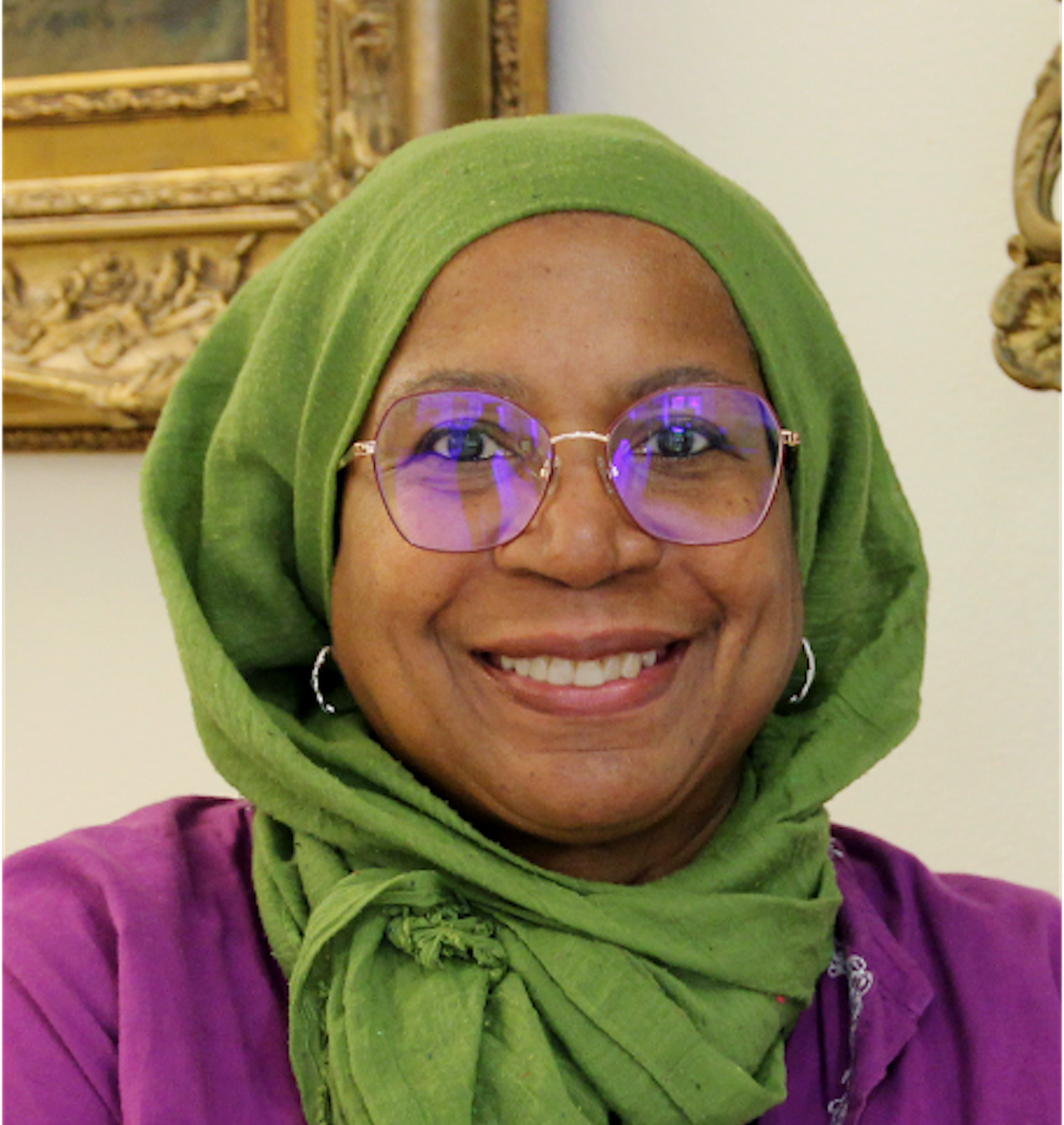
Kayla Renée Wheeler is an Assistant Professor of Critical Ethnic Studies and Theology and the Africana Studies Program Director at Xavier University in Cincinnati, Ohio. Dr. Wheeler is an expert in Black Islam, Islamic bioethics, and digital religion. Currently, she is writing a book entitled, Fashioning Black Islam, which provides a history of Black Muslim fashion in the United States from the 1930s to the present. She is the author of the digital humanities project, Mapping Malcolm, which explores Malcolm X's life in Boston from the 1940s to 1950s. Dr. Wheeler is also the curator of the award- winning Black Islam Syllabus.
Keynote Speaker, Seminar III: Media & Culture
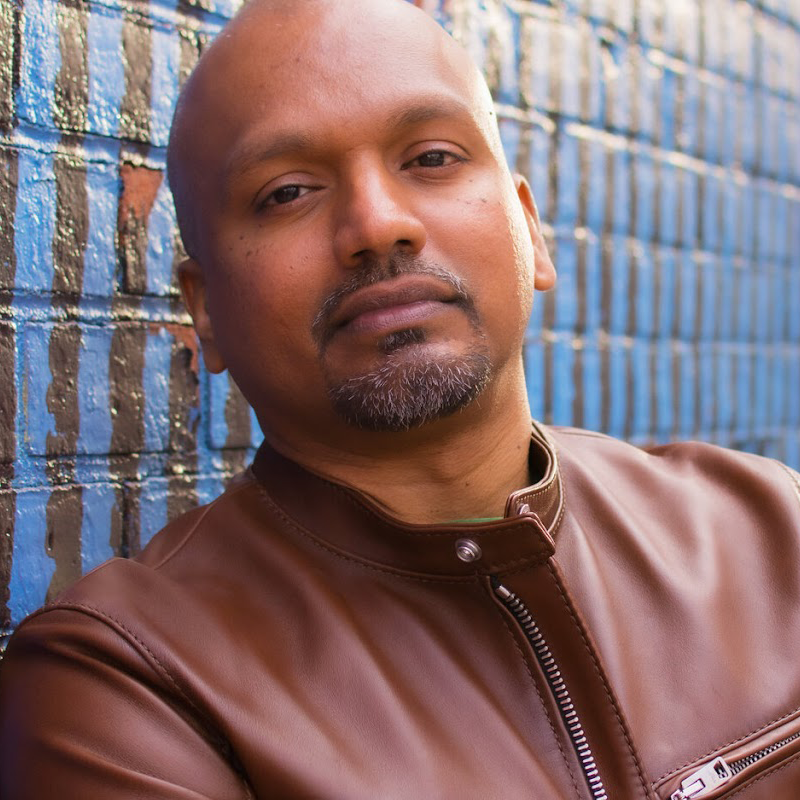
Zaheer Ali is the inaugural executive director of the Hutchins Institute for Social Justice at The Lawrenceville School, a secondary education initiative advancing social justice teaching and practice through scholarship, programming, and experiential learning. In addition, he is an executive producer of “American Muslims: A History Revealed,” a documentary series for PBS Digital exploring important episodes of American Muslim history; and is the creator and curator of the Prince Syllabus, which explores the life and work of musical artist Prince as a catalyst for social change. He brings to his work more than two decades of experience leading nationally recognized and award-winning public history and cultural heritage initiatives, including Columbia University's Malcolm X Project and the Center for Brooklyn History's Muslims in Brooklyn. He is a Pillars Fund Muslim Narrative Change Fellow, and is a 2020 recipient of the Open Society Foundation's Soros Equality Fellowship for his work on leveraging the power of storytelling and listening for social change.
Panelist, Seminar III: Media & Culture
Rebecca Hankins is a professor in the Department of Global Languages and Cultures in the College of Arts and Sciences. She has been at Texas A&M University since 2003. She researches and teaches courses in Africana and Religious Studies. In December of 2016, U. S. President Barack Hussein Obama appointed her to the National Historical Publications and Records Commission (NHPRC) of the National Archives and Records Commission, 2016-2020. She has a substantial publication portfolio of peer-reviewed works and has presented nationally and internationally, including a recent presentation in Doha, Qatar.
Panelist, Seminar III: Media & Culture
Sylvia Chan-Malik is Associate Professor in the Departments of American and Women's, Gender, and Sexuality Studies at Rutgers-New Brunswick, as well as Chair of American Studies and Affiliate Faculty in the Department of Religion. She is the author of Being Muslim: A Cultural History of Women of Color in American Islam (NYU Press, 2018) and the forthcoming A Part of Islam: A Journey through Muslim America (Penguin/Riverhead Books), a history of Islam in the United States from the 15thcentury to present for general audiences.
Panelist, Seminar III: Media & Culture
Prof. Edward E. Curtis IV is the William M. and Gail M. Plater Chair of the Liberal Arts and Director of Arabic and Islamic Studies Program at Indiana University, Indianapolis.
He is the author or editor of 15 books, including The Call of Bilal: Islam in the African
Diaspora, and co-founder of the Journal of Africana Religions.
Panelist, Seminar III: Media & Culture
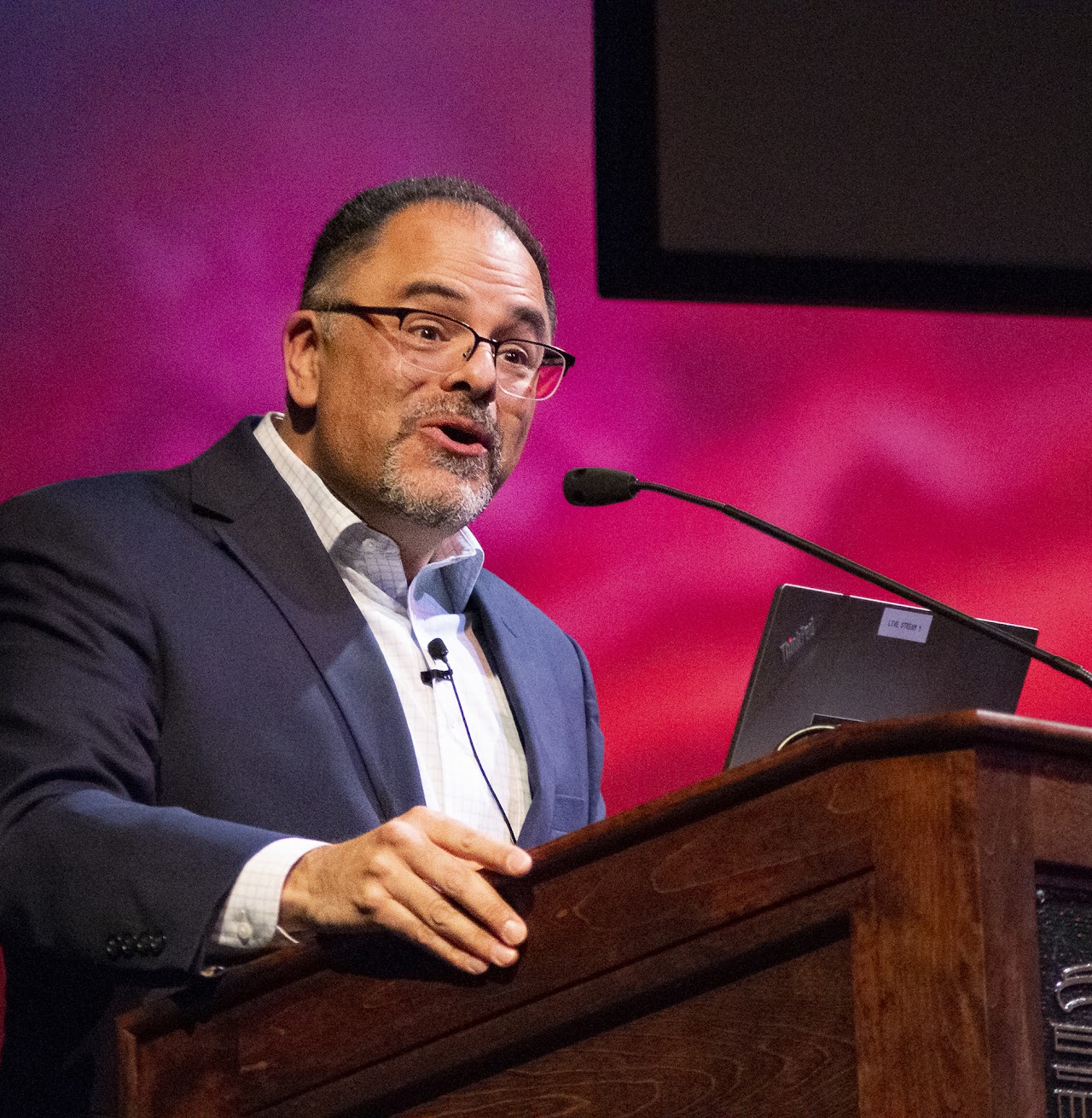
Kam Copeland (he/him) is an Assistant Professor in the Department of African American and African Studies at The Ohio State University. He was a 2023-2024 Post- Doctoral Fellow at the James Weldon Johnson Institute for the Study of Race and Difference at Emory University and the 2022-2023 Dissertation Fellow in the African and African Diaspora Studies Program at Boston College. His research and teaching broadly focuses on Black studies, film history and theory, critical Muslim studies, and Black radical southern studies. His work explores how Black Muslim communities have critically engaged the moving image, contributed to theoretical discourses on Black media, and actively used the cinematic to artistically express visions for liberation. Currently, he is working on a book project titled, “Muhammad Gazes: Islam, Blackness, and Resistance Cinema in the United States, 1959-2000,” which is a representational history that explores how Black Muslims have used accessible forms of film technology—such as home video, public access television, public affairs television, and independent film—to challenge dominant representations of Black Muslimness in the U.S. media.