Seminar II: Plantations generated a wide-ranging reflection on questions and themes raised by plantations by way of the theory and lived experience of the Africana Muslim. The session explores plantations as a site for the economic, political, social and affective orders that emerge from construction and reproduction of plantations, from the Americas to the Indian Ocean region. Examining the plantation as a site, as opposed to slavery as a phenomenon, enables scholars to see and analyze the convergence of slavery with capitalist exploitation of land and labor, and the expropriation of land by colonial conquest. Speakers addressed the contexts, structures, and afterlives of capitalist exploitation and land appropriation and the relationships of power—slave owner and enslaved; settlers and native—that were raced, classed, gendered and religious and formal and intimate. Scholars such as Sylvia Wynter, Clyde Woods, and Katherine McKittrick have described the plantation as one of the key sites of modernity. What happens to this site and the modernity it represents when we examine it as a space in which the Muslim, the African, and the Africana Muslim were racialized and resisted that racialization by imagining worlds otherwise?
Seminar II: Plantations
Keynote Speaker, Seminar II: Plantations
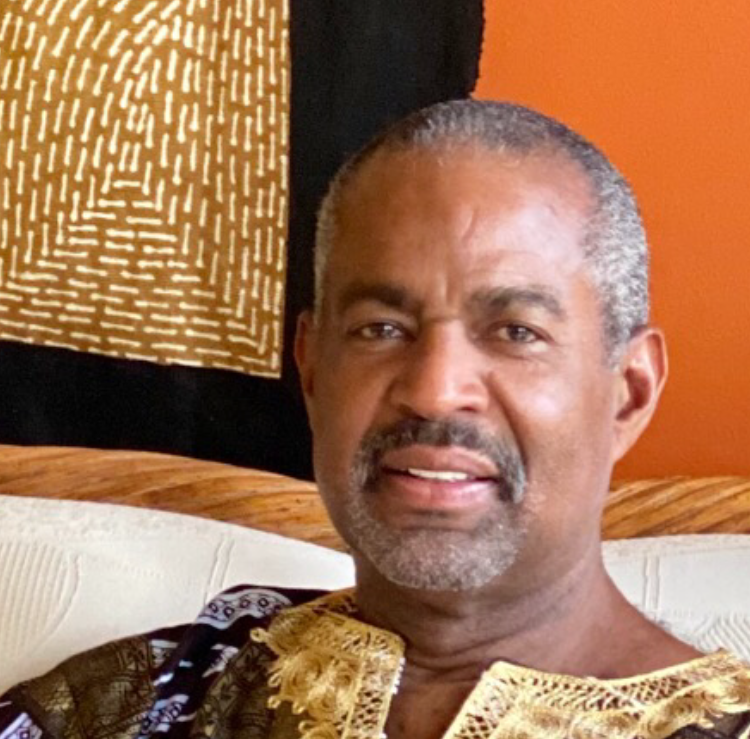
Michael A. Gomez is currently Silver Professor of History and Middle Eastern and Islamic Studies at New York University, and the director of NYU's Center for the Study of Africa and the African Diaspora (CSAAD), having served as the founding director of the Association for the Study of the Worldwide African Diaspora (ASWAD) from its inception in 2000 to 2007. He is also the founding editor of the Cambridge Studies on the African Diaspora (Cambridge U. Press), and the general editor of its Cambridge History of the African Diaspora, a three-volume series scheduled for 2025. He has chaired the History Departments at both NYU and Spelman College, and was President of UNESCO's International Scientific Committee for the Slave Route Project from 2009 to 2011. His first book, Pragmatism in the Age of Jihad: The Precolonial State of Bundu (Cambridge University Press, 1992), examines a Muslim polity in what is now eastern Senegal. The next publication, Exchanging Our Country Marks: The Transformation of African Identities in the Colonial and Antebellum South (UNC Press, 1998), is concerned with questions of culture and race. The edited volume, Diasporic Africa: A Reader (NYU Press, 2006), is more fully involved with the idea of an African diaspora, as is Reversing Sail: A History of the African Diaspora (Cambridge U. Press, 2005 and 2019). The monograph, Black Crescent: African Muslims in the Americas (Cambridge U. Press, 2005) explores the experiences of African Muslims in bondage and freedom throughout the Americas, integrating Islamic Africa into the analysis. Gomez's most recent book, African Dominion: A New History of Empire in Early and Medieval West Africa (Princeton U. Press, 2018), a comprehensive study of polity and religion during the region's most iconic moment, was awarded the 2019 African Studies Association's Book Prize and the 2019 American Historical Association's Martin A. Klein Prize in African History. He is also the Lead Scholar/Editor of the two-volume Hidden Voices: Stories of the Global African Diaspora (New York City Department of Education, 2023 and 2024) designed for secondary school instructors. A recipient of the American Historical Association's 2023 Award for Scholarly Distinction, Gomez supports the struggles of African people worldwide.
Panelist, Seminar II: Plantations
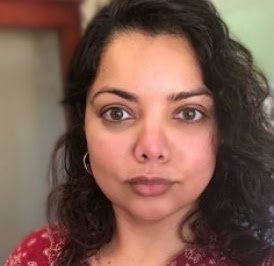
Aliyah Khan is an Associate Professor in the Department of Afroamerican and African Studies and the Department of English Language and Literature at the University of Michigan. She is also the Director of the Global Islamic Studies Center (GISC) at the U-M International Institute. She specializes in postcolonial Caribbean literature and the contemporary literature of the Muslim and Islamic worlds, with an intersectional focus on race, gender, and Islam in the hemispheric Americas. Dr. Khan's book Far from Mecca: Globalizing the Muslim Caribbean, on the literature and music of enslaved Afro-Caribbean and indentured Indo-Caribbean Muslims and their descendants in Guyana, Trinidad, and Jamaica, earned honorable mention in the 2020-2021 Modern Language Association Prize for a First Book.
Panelist, Seminar II: Plantations
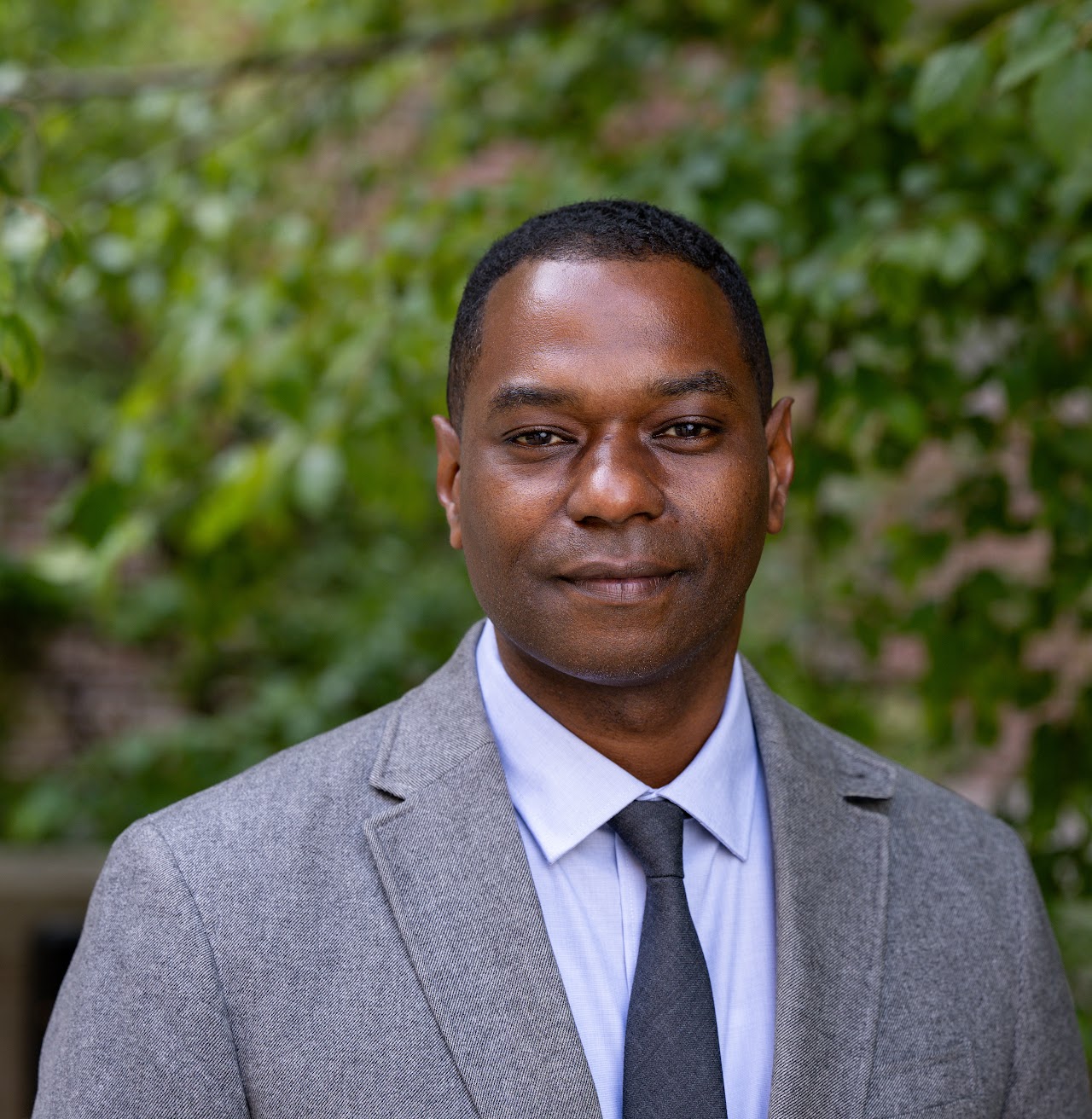
Margarita Lila Rosa is a Harlem-based public scholar specializing in Afro-Latin American and Black Atlantic history and modern and contemporary art. She received her Ph. D from Princeton University and did her post doctorate at Stanford University. Dr. Rosa's historical academic scholarship has been published in The Journal of African American History, Slavery & Abolition, and The Black Scholar, among others. She was the winner of the 2024 Letitia Woods Article of the Year Award by the Association of Black Women Historians. She is currently a Lecturer in the Department of Black and Latino Studies at Baruch College, at the City University of New York.
Panelist, Seminar II: Plantations
Jason R. Young is an Associate Professor of History at the University of Michigan. He is the author of Rituals of Resistance: African Atlantic Religion in Kongo and the Lowcountry Region of Georgia and South Carolina in the Era of Slavery and co-editor, with Edward J. Blum, of The Souls of W.E.B. Du Bois: New Essays and Reflections. He is a Co-Curator of a traveling exhibition, Hear Me Now: The Black Potters of Old Edgefield, South Carolina, that opened at the MET in September 2022. Young has published articles in The Journal of African American History, The Journal of Africana Religions, and The Journal of Southern Religion, among others.
Panelist, Seminar II: Plantations
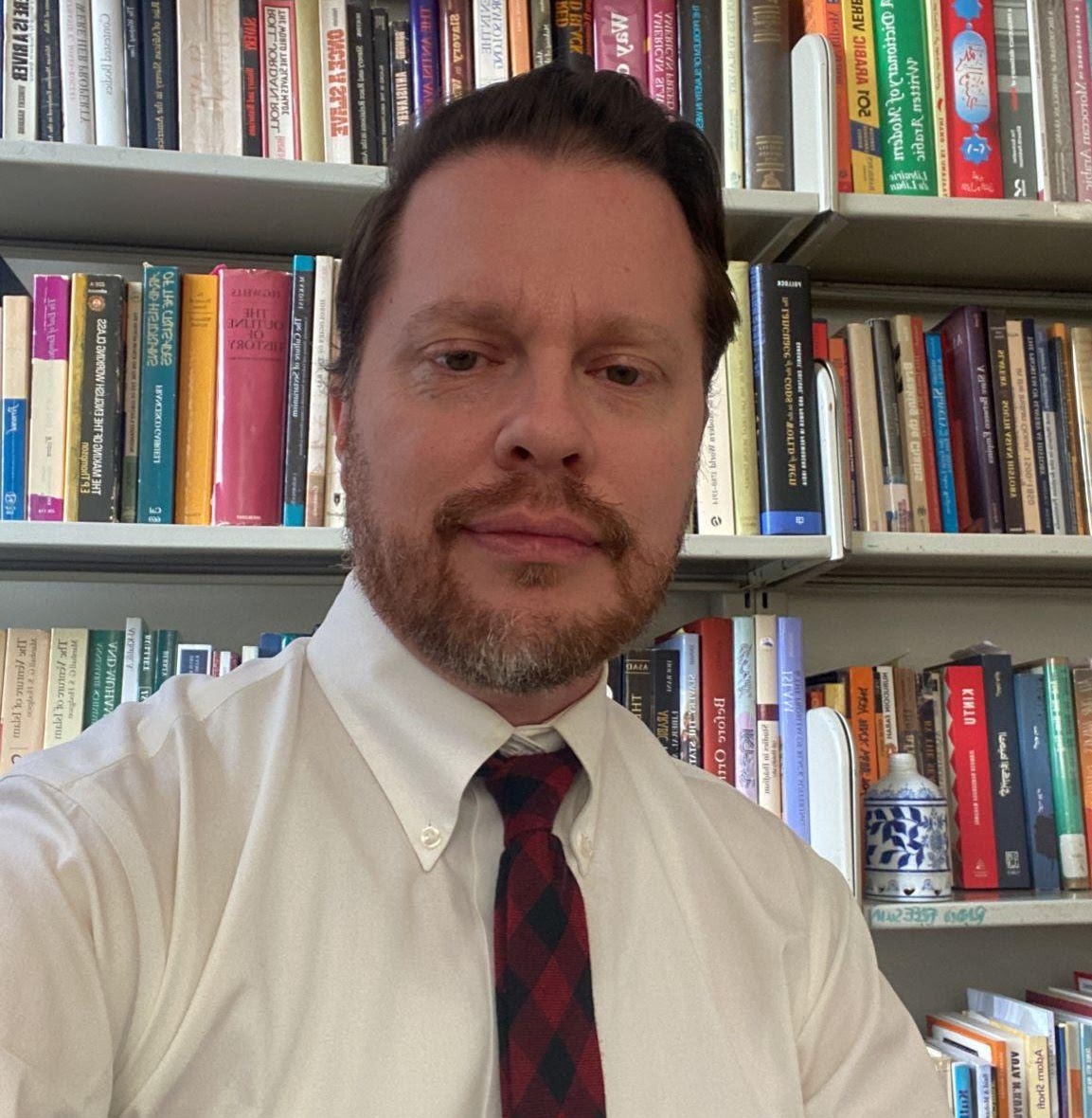
Nathaniel Mathews is Associate Professor of Africana Studies at SUNY-Binghamton. He is the author of Zanzibar Was a Country: Exile and Citizenship between East Africa and the Gulf, which won the 2024 Monsoon Book Prize in History and was named one of 2024's Books of the Year by History Today. His broader research interests are in decolonization and modern citizenship, comparative African diasporas, slavery and race in Muslim societies, Islamic intellectual history, and Swahiliphone worlds. He is currently working on a second book project examining immigration and naturalization in colonial Zanzibar.